Kyoto: The Mathematics of Morning Mist & Umami
Wandering the quiet northern fringe of Uji and Arashiyama at dawn to understand centuries of slow-fermented miso and single-estate matcha.
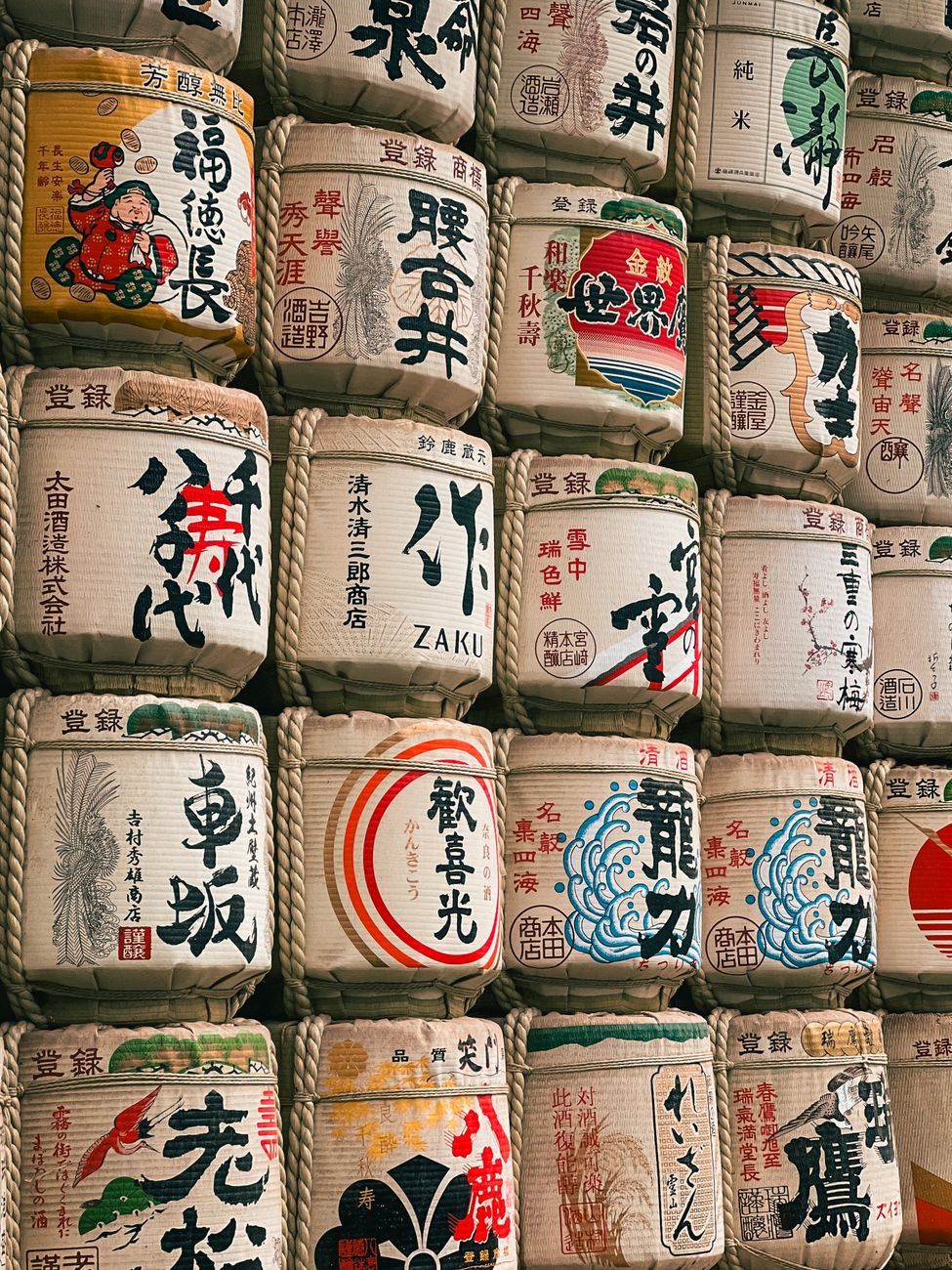
Table of Contents
Before the first commuter train rumbles into Sanjo Station, Kyoto belongs entirely to vapor and raked pebbles. The river Kamo runs cool, mirroring low grey clouds drifting over Mount Hiei. If you navigate north toward the mountain foothill districts of Takao, the sensory cadence changes completely: charcoal smoke drifts from farmhouse eaves, and the air smells of wet cryptomeria cedar and boiling dashi.
Here, culinary craft is not a branch of entertainment; it is an act of agricultural devotion passed down across nine generations. In family-operated shoyu cellars, the building itself is the primary culinary instrument, its wooden ceiling rafters populated by microbial colonies untouched since the Edo era.
“We do not invent the flavor of our soy sauce. We simply sweep the courtyard, monitor the humidity, and let the bacteria do what their ancestors did three centuries ago.”— Master Brewer Kenjiro Hayashi
The Five A.M. Bamboo Perimeter
Popular guidebooks urge visitors to visit Arashiyama during noon, turning an ancient meditative bamboo grove into a jostling corridor of smartphone selfie poles. To truly experience the acoustic resonance of bamboo stalks tapping against one another under wind stress, one must arrive before sunrise.
In the predawn gloom, the green shoots look almost monochromatic. Moisture beads upon the fibrous bark, falling onto deep stone paths. You can hear monks sweeping the adjacent monastery courtyard with split-bamboo brooms, a rhythmic scratch that measures out the morning meditation.
Microbial Heritage & Cedar Barrels
The culinary foundation of regional Kyoto washoku rests upon koji (Aspergillus oryzae) cultivated on steamed rice and barley. When inoculated into heirloom cedar vats (kioke) bound with wild braided bamboo hoops, the mash undergoes fermentation that lasts between two and four full seasons.
Unlike stainless-steel industrial tanks, porous cedar wood absorbs and nurtures specific yeasts unique to each room. Tasting aged tamari directly from the vat tap reveals complex notes of dried fig, oceanic minerals, and toasted barley without an ounce of chemical additives.
Etiquette for Solitary Travellers
When visiting non-commercial fermentation workshops and tea farms, discretion is paramount:
- Always remove shoes at the designated wooden threshold without letting socks touch the bare stone entry.
- Do not wear synthetic perfumes or colognes into tea rooms or brewing chambers where ambient scents are fragile.
- Request permission before photographing private altar areas or ancestral family scrolls.