Pacific Coastway: Redwoods, Fog, and Analog Perception
Traversing the coastal cliffs of Big Sur with an analog film camera, discovering how tactile constraints deepen the observer's memory.
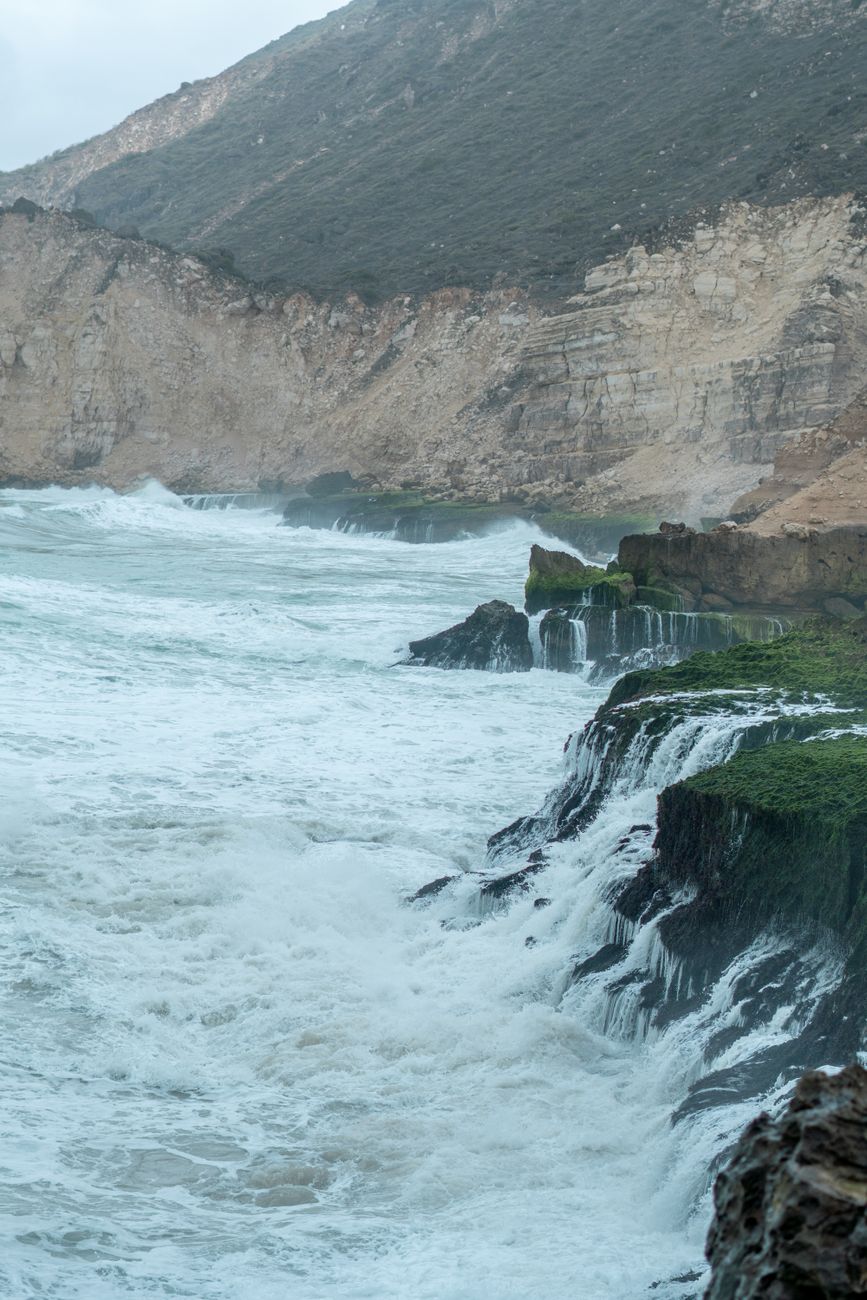
Table of Contents
Highway 1 between Carmel and San Simeon remains one of the most mechanically demanding stretches of tarmac on the North American continent. Carved directly into decomposing granite bluffs that plunge a thousand vertical feet into the Pacific surf, it is constantly claimed back by landslides, ocean storms, and dense maritime fog bank blankets.
For this field chronicle, I resolved to carry only a single mechanical 35mm rangefinder, three prime lenses, and ten rolls of monochrome film. In an age of gigabyte burst shots and algorithmic computational photography, limiting oneself to 36 manual mechanical frames per roll shifts how the eyes engage with light.
“When every shutter click costs money and effort, you stop firing at everything and begin waiting for the fog to reveal the true line of the promontory.”— Dispatch Notes, Big Sur Coast
Under the Canopy of Thousand-Year Giants
Walking inland through limekiln canyons, the roar of the ocean softens into an ambient hum replaced by the creak of coastal redwoods (Sequoia sempervirens). These organisms drank coastal mist long before European navigational charts recorded the Pacific rim. Their fibrous reddish-brown bark grows up to a foot thick, protecting them against forest fires that sweep the ridgeline.
Light does not enter these groves as direct illumination; it arrives as scattered silver shafts slicing through moist air. For photographers, this high dynamic range is nearly impossible to capture on flat sensors without heavy HDR processing. On black and white chemical silver emulsion, however, the shadows retain a smooth, velvet tonality that matches how human vision adapts in deep timber.
The 36-Exposure Discipline
Digital travel photography tends toward hoarding. We return from an eight-day expedition with 4,000 digital files, ninety percent of which we will never open again. Mechanical film enforces intentional restraint:
- Patience with Weather: You wait thirty minutes for coastal fog to reveal a lone cypress tree rather than snapping forty impatient test shots.
- Deep Tactile Memory: Manually advancing film, checking the aperture ring by feel, and calculating exposure mentally imprints the moment far deeper into your memory.
- Immediate Absence of Review: Because there is no LCD screen to glance down at, your eyes stay fixed on the ocean horizon rather than a glass rectangle.
Selected Coastal Sanctuaries
Those seeking quiet lodging along the central coast should bypass commercial tourist towns and look toward the rustic cliffside cabins of Lucia and Gorda. Here, telephone signals disappear, electricity is powered by localized solar generators, and nighttime skies reveal the Milky Way sweeping cleanly over the Pacific abyss.